On this date
Kapp throws 7 TD passes vs. Colts

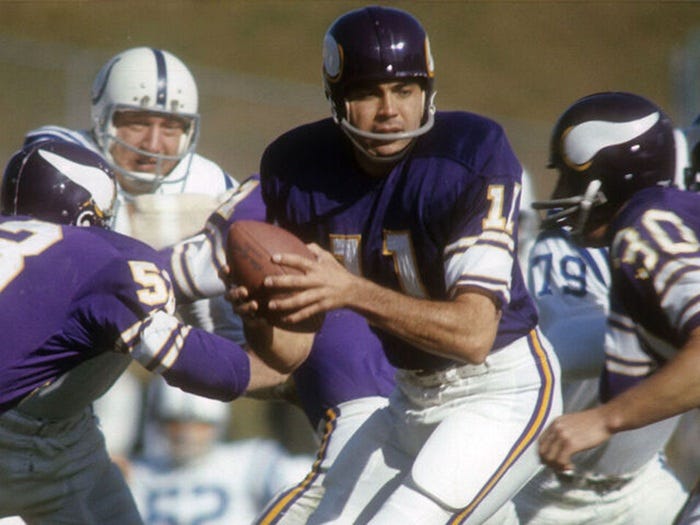
On this date (Sept. 28) in 1969, Minnesota’s Joe Kapp became the fifth quarterback in NFL history to throw seven touchdown passes in a game as the Vikings routed the defending champion Baltimore Colts 52-14 in their home opener at Metropolitan Stadium in Bloomington.
Kapp played college football at California and was drafted by Washington in the 18th round of the 1959 NFL Draft. However, Washington never contacted him after the draft, so he accepted an offer from Jim Finks, the general manager of the Calgary Stampeders of the Canadian Football League to play north of the border.
Calgary traded Kapp to British Columbia in 1961 and he led the Lions to the Grey Cup three times, winning one.
In 1967, Kapp joined with the Vikings in a multi-player “trade” between the CFL and NFL teams, one of the very few transactions to ever occur between the two leagues.
The Minnesota Vikings general manager by then was Jim Finks, who had brought Kapp to Canada in 1959, and their head coach was Bud Grant, who had faced Kapp while coaching the Winnipeg Blue Bombers.
In his third season with Minnesota in 1969, he missed the season opener, a 24-23 loss to Fran Tarkenton and the New York Giants at Yankee Stadium.
He returned the following week and set Vikings records by passing for 449 yards and seven touchdowns in leading Minnesota to 622 yards of total offense.
He threw two scoring passes to Gene Washington (83 and 42 yards). He also threw one apiece to Dave Osborn (18), Bob Grim (21), Kent Kramer (13), John Beasley (1) and Jim Lindsey (15).
Kapp was 28-for-43 passing for 449 yards.
7 touchdown passes
The list of quarterbacks who have thrown seven touchdown passes in a game. Listed are the QB, date and game score.
Sid Luckman, Nov. 14, 1943: Chicago Bears 56, New York Giants 7
Adrian Burk, Oct. 17, 1954: Philadelphia Eagles 49, Washington Redskins 21
George Blanda, Nov. 19, 1961: Houston Oilers 49, New York Titans 13
Y. A. Tittle, Oct. 28, 1962: New York Giants 49, Washington Redskins 34
Joe Kapp, Sept. 28, 1969: Minnesota Vikings 52, Baltimore Colts 14
Peyton Manning, Sept. 5, 2013: Denver Broncos 49, Baltimore Ravens 27
Nick Foles, Nov. 3, 2013: Philadelphia Eagles 49, Oakland Raiders 20
Drew Brees, Nov. 1, 2015: New Orleans Saints 52, New York Giants 49
What are the odds?
One of the officials in Kapp’s seven touchdown game knew a little something about throwing TD passes himself.
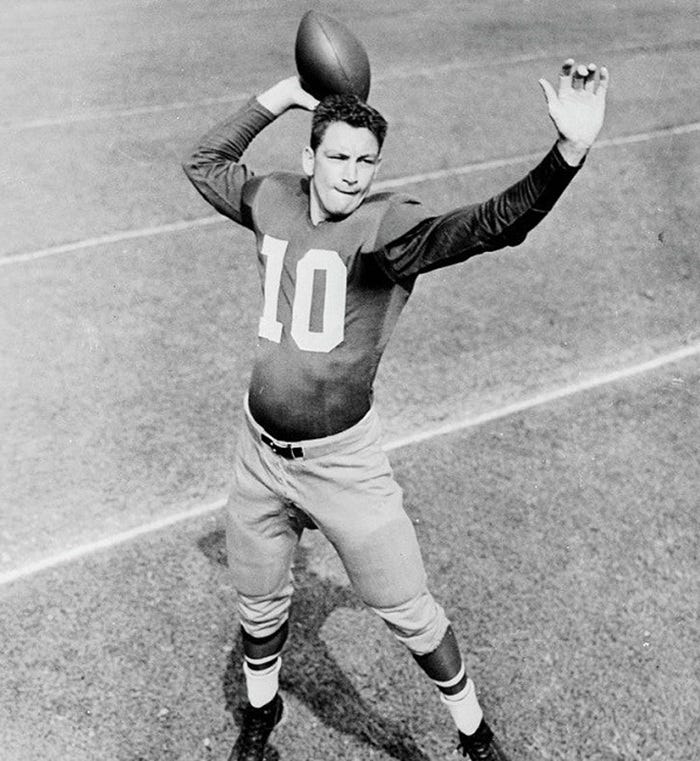
Adrian Burk was the second QB in history to throw seven touchdown passes in a game when he did it for Philadelphia vs. Washington in 1954. Chicago’s Sid Luckman was the first in 1943.
Burk became an NFL official after his playing days and was the back judge in the game that saw Kapp tie his record.
He was also the back judge in the famous 1972 playoff game between the Oakland Raiders and the Pittsburgh Steelers that featured the play that came to be called the “Immaculate Reception”.
Burk was the first of the officials to signal a touchdown.
No contract
Kapp had played that 1969 season without a contract. The Vikings had exercised the option clause of his contract prior to the season.
It was unusual for teams to use the team’s option and not to offer a new contract prior to a season. The dispute made him a free agent for the 1970 season.
Despite being the team’s Most Valuable Player (an award he famously turned down, saying that there was no most valuable Viking, there were 40 most valuable Minnesota Vikings) and being a Super Bowl quarterback, no NFL team made contact with him until after the start of the 1970 regular season.
The then Boston Patriots signed him on Oct. 2 to a four-year contract that made him the highest paid player in the league.
He played in 11 games for Boston in 1970, starting 10 and the Patriots were 1-9 in those games.
One of those games was a 35-14 loss to the Vikings at the Patriots’ home field at Harvard Stadium. Kapp was 15-29 passing for 128 yards, no touchdowns and three interceptions.
With the number one pick in the 1971 NFL draft, Boston selected quarterback Jim Plunkett of Stanford, the winner of the Heisman Trophy. Kapp reported to the newly renamed New England Patriots’ training camp in 1971, refused to sign a standard contract, and departed, ending his 12-year career as a professional football player.
Kapp started an anti-trust lawsuit vs. the NFL, claiming the standard NFL contract was unconstitutional and a restraint of trade. He won the summary judgment after four years. The court had ruled that Kapp’s trade was indeed restrained. In the trial for damages on April 1, 1976, the jury decided that Kapp was not damaged.
Although Kapp was not awarded any damages, in 1977 the rules at issue in the Kapp case were later revised, a new system was instituted, and a multimillion-dollar settlement was made between the NFL and the NFL Players Association.
Post-playing career
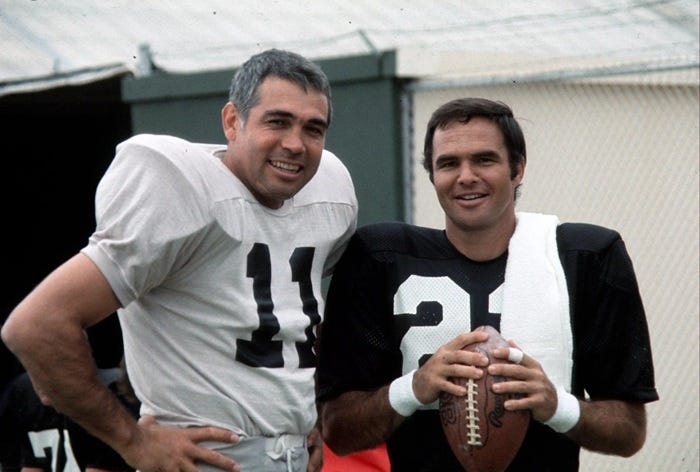
After his playing career, Kapp appeared in several television programs and movies in the 1970s and 1980s.
TV programs included Ironside, The Six Million Dollar Man, Adam-12, Emergency!, Police Woman, and Medical Center.
Movies included Climb An Angry Mountain (1972), The World’s Greatest Athlete, The Longest Yard (1974), Two-Minute Warning (1976), Smash-Up on Interstate 5 (1976), Semi-Tough (1977), The Frisco Kid (1979), and Off Sides (1984).
In 1982, even though he had never coached before, Kapp was hired as the head football coach at his alma mater, the University of California, Berkeley.
In December 1981, Kapp made a promise to the football team that he would not consume any of his favorite alcoholic beverage, tequila, until the Golden Bears reached the Rose Bowl, which they didn’t under Kapp and still have not. In a 1994 interview, Kapp stated that he had resorted to drinking rum instead.
In his first year as head coach in 1982, the Golden Bears improved from 2–9 the year before to 7–4, and he was voted the Pac-10 Conference Coach of the Year.
That season concluded with one of the most memorable plays in college football history, called “The Play,” the famous five-lateral kickoff return by Cal to score the winning touchdown on the final play of the Big Game against archrival Stanford.
On that date
No. 1 TV show: Bonanza
No. 1 Movie: Butch Cassidy and the Sundance Kid
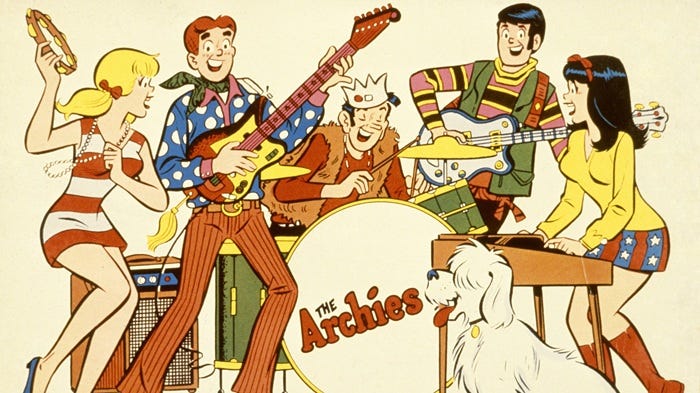
No. 1 song: Sugar, Sugar, The Archies
No. 1 book: The Godfather, Mario Puzo
Governor of Minnesota: Harold LeVander
U.S. President: Richard Nixon
Significant news story: President Nixon was set to reveal a new Latin American policy, as reported by The New York Times.
We are the champions
Here are the reigning champions in each sport on Sept. 28, 1969.
Super Bowl: New York Jets
World Series: Detroit Tigers
NBA: Boston Celtics
NHL: Montreal Canadiens
College football: Ohio State
College basketball: UCLA
Masters: George Archer
Daytona 500:
Indy 500: LeeRoy Yarbrough